
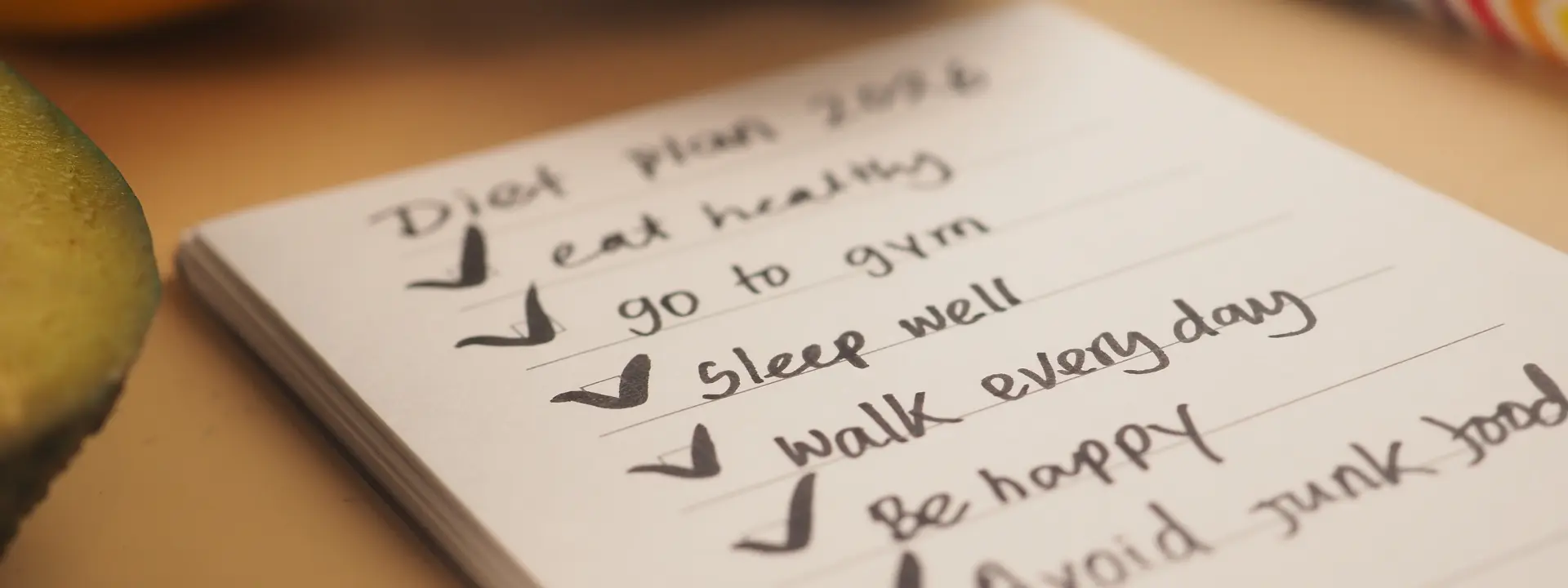
TL;DR:
You don’t have to turn your life upside down to feel better. The habits that help your mind are much smaller than you’d guess. How you move. How you sleep. What you eat. These habits don’t replace treatment, but when you stick with them, everything else starts to work better. At Alter Behavioral Health San Diego, we don’t treat these habits as an afterthought. They’re part of your treatment plan from day one.
People hear, “Take care of yourself,” so many times that it starts to sound meaningless. It’s something you hear through one ear and toss out the other. But here’s the truth. A handful of small daily habits, done each day, can change how your mind handles stress and mood. They make the hard days easier to get through.
Of course, none of this is a replacement for therapy or medicine when you need them. But with these habits, you feel steadier.
1. Lifestyle Habits That Improve Mental Health Aren’t About Changing Your Whole Life
People hear the words “lifestyle change” and instantly think it means starting from scratch. You don’t have to toss out everything unhealthy in the fridge or spend hours at the gym. Let’s be honest, most of us can’t keep that up for long anyway.
At Alter Behavioral Health San Diego, we bring this up right from the start. It’s not something we save for later, after the “serious” work. Simple daily habits, like moving your body, getting enough sleep, and eating good food, can actually change the way your brain works. These help therapy work even better.
2. Exercise and Mental Health Benefits: Moving Your Body Really Does Change Your Mood
This isn’t just something people say to make you feel better. The idea is backed by research.
A 2024 study published in the BMJ pulled together results from 218 different clinical trials with more than 14,000 people who had depression. The results were clear. Walking or jogging made a noticeable difference. People felt better, about the same as they do with therapy or medicine. Yoga helped too. So did strength training. When people pushed themselves a little harder, the effect grew stronger. That means your body isn’t just burning calories. Exercise actually changes the way your brain works.
3. Sleep and Emotional Health: Why a Bad Night Feels Like a Bad Mood the Next Day
We’ve all had those nights. You can’t sleep, and the next day everything feels off. Even small problems seem huge.
A 2025 study published in BMC Public Health looked at over 10,000 adults. Researchers found that people who worked on sleeping better felt less depression and anxiety than those who didn’t. Sleep and mood go hand in hand. When you sleep badly, your mood drops. When your mood is low, it’s harder to get good sleep.
But even a small change, like waking up at the same time each day, can help break that cycle. Most people are surprised how much steadier they feel when they start sleeping better.
4. Nutrition and Mental Wellness: Your Brain Listens to Your Plate
Most people never notice, but every bite you eat sends messages to your mind. Those messages control how you feel, your focus, and even how you handle stress.
When you eat a lot of sugar, your blood sugar goes up fast and then crashes down. This up-and-down can make you feel shaky or give you a racing heart. It can even feel a lot like anxiety. But when you fill your plate with foods like veggies and healthy fats, your energy and mood stay steadier all day. Eating well and feeling good are two sides of the same coin.
5. Healthy Daily Mental Health Habits That Take Five Minutes or Less
Big lifestyle changes fail more often than small ones. They’re difficult to keep up with. The habits that really work are often so simple that skipping them feels like more effort than just doing them.
Step outside and catch a few minutes of sunlight in the morning. That small act helps set your body clock and lifts your mood.
Take a short walk after you eat. It helps your stomach and gives your mind a quick break.
Jot down three things that went okay today. This little routine teaches your brain to notice what’s working, not just what’s missing.
None of these habits take an hour. They only need a bit of your day, but they need consistency.
6. Holistic Mental Health Care: Why These Habits Work Best Alongside Treatment
Healthy habits help, but they can’t replace professional treatment when someone is facing depression or anxiety. True mental health care means looking at everything that’s going on. That means using therapy, medication when it’s needed, and building daily habits that keep you steady. It’s not about picking just one thing and hoping it will do the job alone.
At Alter Behavioral Health San Diego, we start building these habits from the very first day. They’re woven right into therapy and medication plans. Doing the hard work in sessions but skipping sleep every night is not going to help you. But when you work on both at the same time, you’ll notice changes. That’s when things really start to move forward.
Frequently Asked Questions
How long does it take to feel better from lifestyle changes?
Some changes, like getting better sleep, can boost your mood as soon as the next day. Bigger shifts, like feeling happier from regular exercise, usually show up after a few weeks of sticking with it. Patience pays off here.
Can healthy habits take the place of therapy or medicine?
No. These habits help you feel better from day to day, but they’re not a swap for professional support if you’re dealing with depression, anxiety, or something more serious.
Is there one habit that matters most for mental health?
There’s no single answer. Both sleep and movement stand out in the research. The best place to start is usually with the one that’s giving you the most trouble right now.
Does what I eat really change how anxious I feel, or is that just hype?
It’s the real deal. When you eat a lot of sugar, and your blood sugar goes up and down, you can feel shaky, edgy, or get a racing heart. Eating steady, healthy meals helps your mood stay steady too.
How much exercise do you need to get a mental health boost?
Even a daily walk can help. You don’t have to run marathons. The more you move, the more your mood gets a lift, but you don’t need to go overboard. Start small and stay steady.
What if I can’t stick with these habits every day?
Pick one small change and make it part of your routine. One tiny habit that you actually do is worth more than a big plan that falls apart after a week.
Does insurance pay for holistic mental health care?
Most big insurance plans cover therapy and programs that look at your whole health, not just symptoms. But every plan is a little different. It’s smart to have your treatment center check what’s covered for you.
Ready to Start Habits That Help Your Mind Feel Better?
If you’ve been trying to handle everything on your own, it can start to feel heavy. Small changes truly can make a difference. But sometimes you need more than that, and that’s completely okay.
Our team is here to help you find a plan that combines treatment with daily habits that actually work.
Book Your Free Consultation Today
Key Takeaways
- Lifestyle habits that improve mental health work best as small, consistent changes. You don’t need to flip your whole life upside down.
- Exercise isn’t just good for your body. It’s been shown to help with depression, sometimes as much as therapy or medicine.
- Sleeping better can lower depression and anxiety. When sleep gets better, moods usually get better too, and both problems feed off each other.
- What you eat really matters. Food can change your mood and even make anxiety feel worse or better, depending on what’s on your plate.
- Daily habits work best when they’re part of a bigger plan. They help treatment work, but they shouldn’t be asked to do the job alone.