
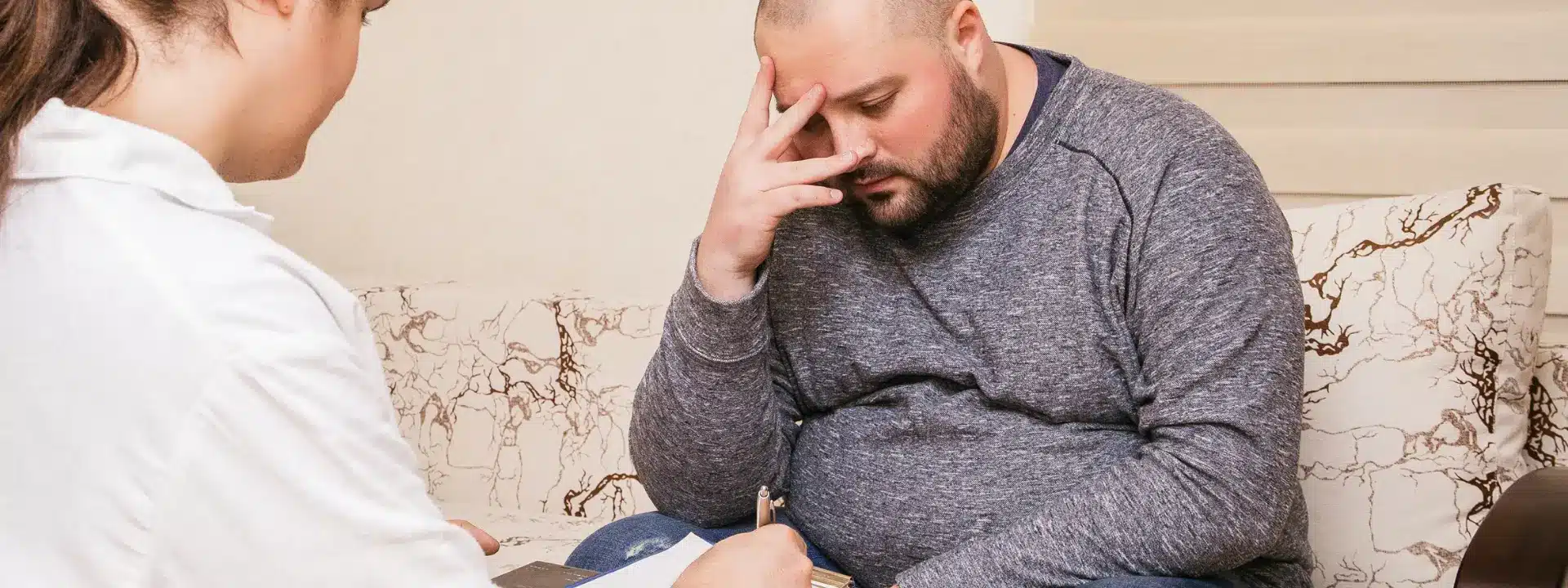
A life with bipolar disorder can be exhausting. One week, you feel unstoppable, and the next, you can barely get out of bed. The highs feel good, until they don’t, while the lows feel endless. And in the middle of it all, you’re just trying to hold your life together.
If you’re in San Diego and are struggling to find answers, you’re not alone. Many adults go years without a proper diagnosis. Others get diagnosed but never find a treatment plan that actually sticks. Does all this sound familiar?
Getting the right bipolar disorder treatment changes everything. It’s not just about managing symptoms. It’s about getting your life back. Let’s walk you through what really works, step by step.
Understand What Bipolar Disorder Actually Looks Like in Adults
When most people hear “bipolar disorder,” they think of someone having extreme mood swings. But the reality isn’t that simple. A lot of adults live with bipolar disorder symptoms because they look different from what they’ve seen in movies or read about online.
Bipolar disorder comes in different types:
Bipolar I involves intense manic episodes that can last a week or more.
Bipolar II involves hypomania, which is a bit different. It is a less extreme high, but the depressive lows can hit just as hard.
Cyclothymia involves milder mood shifts that still disrupt your daily life.
Common symptoms in adults include:
- Racing thoughts and talking very fast
- Impulsive decisions, like spending money, risky behavior, or quitting jobs
- Little need for sleep during manic episodes
- Prolonged sadness, hopelessness, and fatigue during depressive episodes
- Irritability that feels out of proportion to the situation
- Trouble concentrating or making decisions
If this sounds like your daily experience, it’s time to pay attention. Getting a proper diagnosis is the first step toward real mental health treatment in San Diego.
Get a Proper Diagnosis Before Anything Else
Bipolar disorder is one of the most misdiagnosed conditions out there. Many people are told they have depression first, because that’s often when they seek help. They come in during a low, not a high. Without the full picture, the wrong diagnosis leads to the wrong treatment.
Getting a real bipolar diagnosis isn’t a quick 10-minute chat. It examines your complete mood history, sleep patterns, family history, and any substance use. It also rules out other conditions like ADHD, borderline personality disorder, or thyroid problems that can mimic bipolar symptoms.
Steps to get a proper diagnosis:
- Track your moods daily for 2–4 weeks before your first appointment.
- Write down any episodes that felt unusually high or low, even if they were years ago.
- Share any family history of mood disorders or psychiatric conditions.
- Be honest about alcohol or drug use because it affects the diagnosis.
- Ask specifically whether bipolar disorder has been ruled out.
At Alter Behavioral Health San Diego, our clinical team does thorough evaluations. We don’t rush to a label. We take time to understand your full history before building a treatment plan that fits you.
Know Your Medication Options for Bipolar Disorder
Medication is often a core part of managing bipolar disorder. That’s not a weakness. It’s biology. The brain chemistry shifts in bipolar disorder, and medication helps stabilize them so therapy and lifestyle changes can actually work.
There are several categories of medication for bipolar disorder. Mood stabilizers like lithium and valproate are often the first choice. They reduce both the frequency and severity of both manic and depressive episodes. Atypical antipsychotics like quetiapine or aripiprazole are commonly used too, especially when psychosis is involved. Antidepressants are used cautiously, since they can trigger manic episodes if taken without a mood stabilizer.
What the Research Says
A meta-analysis by Geddes et al., published in the American Journal of Psychiatry, analyzed five randomized controlled trials covering 770 participants. It found that lithium reduced manic relapse rates from 24% down to 14% compared to placebo, roughly a 40% reduction. The authors concluded that lithium’s preventive effect against manic episodes is clear and clinically significant.
What this means for you: Medication isn’t a one-size-fits-all solution. Finding the right combination takes time and patience. A good psychiatrist doesn’t just hand you a prescription and vanish. They observe how your body responds and adjust things as needed.
At Alter Behavioral Health San Diego, board-certified psychiatrists manage medications on-site. Our clients are monitored daily, so if something needs to change, it changes now, not weeks later at your next appointment.
Choose the Right Bipolar Therapy in San Diego
Medication helps you stay stable, while therapy helps you build the skills to stay like that. The best outcomes in bipolar disorder treatment come from combining both. The question is: which type of bipolar therapy in San Diego actually works?
Several evidence-based therapies are proven to help:
- Cognitive Behavioral Therapy (CBT): Helps you identify the thought patterns that lead to these mood spirals. You learn to catch warning signs early and respond to them differently. At Alter, we offer CBT in San Diego.
- Dialectical Behavior Therapy (DBT): Builds emotional regulation, distress tolerance, and interpersonal skills. These are especially helpful when mood swings are intense. Learn more about DBT at Alter.
- Acceptance and Commitment Therapy (ACT): Teaches you to accept difficult emotions without being controlled by them. This is very useful during depressive phases. Alter’s ACT program is part of the full treatment approach.
- EMDR and Brainspotting: Powerful for clients who have trauma layered on top of bipolar disorder. Alter’s EMDR and Brainspotting therapy can help you process past wounds that fuel mood instability.
Therapy works best in a structured, consistent setting. In a residential program, you’re not just attending weekly sessions around work and life stress. You’re fully immersed in the healing process.
Build a Daily Routine That Supports Stability
Routine is medicine for bipolar disorder. This sounds simple, but it’s genuinely one of the most powerful tools available. The brain’s circadian rhythm directly affects mood cycles. When sleep, eating, and activity are inconsistent, mood episodes are more likely to occur then.
Research Backing
A controlled trial published in the Annals of General Psychiatry found that bipolar disorder patients who received Interpersonal and Social Rhythm Therapy (IPSRT), a structured daily routine-based intervention, showed statistically significant improvements in depressive symptoms, manic symptoms, global functioning, and response to mood stabilizers at both 3 and 6 months, compared to patients receiving standard treatment alone. The authors concluded that structured daily routines, built into therapy, directly reduce mood episode frequency and severity.
Practical steps to build a stable routine:
- Sleep and wake at the same time every day, even on weekends
- Eat regular meals; skipping meals can trigger irritability and low energy.
- Limit caffeine and alcohol, both of which disrupt sleep and mood.
- Get 20–30 minutes of physical activity daily.
- Use a mood tracking app to spot patterns before they escalate.
- Set limits on screen time, especially before bed.
At Alter Behavioral Health San Diego, a daily structure is built into the program. Yoga, art therapy, sound baths, pet therapy, and life skills training all happen on a consistent schedule. Our clients leave with real habits, not just good intentions.
Recognize When You Need a Higher Level of Care
Sometimes outpatient therapy and medication aren’t enough. If your mood is shifting rapidly, you’re struggling to keep yourself safe, or if a manic or depressive episode is taking over your life, that’s when residential or crisis stabilization care should be chosen.
Signs you may need more intensive mental health treatment in San Diego for bipolar disorder:
- Suicidal thoughts or self-harm urges that feel hard to control
- A manic episode that’s leading to dangerous decisions around you and your loved ones.
- You’ve stopped sleeping for days and can’t slow down.
- Depression is so deep that basic self-care feels impossible.
- Medication isn’t working, and you need close medical monitoring.
- Your support system is overwhelmed and can’t keep you safe.
Alter Behavioral Health San Diego operates as a crisis stabilization unit, a structured, home-like residential environment with 24/7 nursing care, on-site psychiatrists, and daily therapy. It’s designed to bring you back to stability quickly, safely, and with dignity.
Most of our clients stay between 14 and 45 days. Our team works with private insurance to minimize out-of-pocket costs. And because the facility is pet-friendly, you don’t have to leave your support system behind.
Plan for Life After Treatment — Managing Mood Swings Long Term
Getting stable is the goal. And staying stable is the real work. Managing mood swings in bipolar disorder over the long term requires an aftercare plan, not just a list of phone numbers, but a real, personalized roadmap for what comes next.
Why Aftercare Matters
The NIMH-funded STEP-BD study, one of the largest real-world bipolar disorder trials ever conducted, found that patients receiving intensive psychotherapy alongside medication were 1.58 times more likely to be clinically well in any given month compared to those receiving medication with brief check-ins only. Recovery rates were 64% in the intensive psychotherapy group versus 52% in the comparison group, and patients in the psychotherapy group recovered an average of 110 days faster.
A strong aftercare plan includes:
- A regular therapist who knows your history
- A psychiatrist for ongoing medication management
- A list of personal warning signs and a written crisis plan
- Support groups, in person or online
- Trusted people in your life who know what to watch for
- Clear steps for when to reach out for help, before it becomes a crisis
Our team at Alter Behavioral Health San Diego builds discharge plans before clients leave. We connect our clients with local resources, refer to therapists, and make sure the transition out of treatment is as supported as the treatment itself.
You Deserve a Treatment Plan That Actually Works
Bipolar disorder is a real, serious condition, but it’s also treatable. The right diagnosis, the right treatment, and the right support can change everything.
Many people with bipolar disorder go on to live full, meaningful lives. If you’re in San Diego and struggling, help is closer than you think.
At Alter Behavioral Health San Diego, we offer residential bipolar disorder treatment in a calm, home-like setting with 24/7 care, on-site psychiatrists, and evidence-based therapy. You don’t have to figure this out alone.
Call (619) 489-6685 today or contact the team online to take the first step.
Frequently Asked Questions
What is the most effective bipolar disorder treatment?
The most effective approach combines medication with therapy. Medication helps stabilize brain chemistry, while therapies like CBT and DBT build the skills to stay well. Neither works as well alone. A residential program like Alter Behavioral Health San Diego offers both at the same time, giving you the strongest foundation for recovery.
What are the early signs of bipolar disorder in adults?
Early signs of bipolar disorder symptoms in adults include unusual energy or restlessness followed by periods of deep fatigue, impulsive spending or decisions, needing very little sleep during high periods, and prolonged sadness or hopelessness. Many adults only notice something is wrong when their moods feel completely out of their control. A psychiatric evaluation can help clarify what’s going on.
Is bipolar disorder curable?
Bipolar disorder is not curable in the traditional sense, but it is very manageable. With the right medication, therapy, and support, many people live stable, fulfilling lives. Relapses can happen, but with a solid aftercare plan, they don’t have to take over your life.
How long does bipolar disorder treatment take?
Treatment duration depends on the severity of symptoms and the type of program. In a residential crisis stabilization setting like Alter Behavioral Health San Diego, clients typically stay between 14 and 45 days. Outpatient therapy and medication management continue long after that. Bipolar disorder is a lifelong condition, so ongoing support, even if it’s just monthly check-ins, is part of staying well.
What therapy works best for bipolar disorder?
Several therapies have strong evidence for bipolar therapy in San Diego and beyond. CBT targets unhelpful thinking patterns. DBT builds emotional regulation skills. ACT helps you handle difficult emotions without being controlled by them. EMDR is especially helpful when trauma is part of the picture. The right fit depends on you, and a good clinical team will build a plan around your specific needs.
Can bipolar disorder be managed without medication?
For most people with bipolar I or II, medication is an important part of treatment. Some with milder symptoms manage through therapy and lifestyle changes alone, but only under psychiatric supervision. Stopping medication without guidance can trigger a serious relapse. Always talk to a psychiatrist before making any changes.
Does Alter Behavioral Health San Diego treat bipolar disorder?
Yes. We specialize in bipolar disorder treatment as part of a full residential mental health program. Our facility operates 24/7 with on-site psychiatrists, licensed therapists, and nursing staff. Clients receive personalized treatment plans that include medication management, individual therapy, group sessions, and holistic activities. Most private insurance plans are accepted.
How do I help a family member with bipolar disorder?
Supporting someone with bipolar disorder starts with education. Learn the signs of manic and depressive episodes so you can spot shifts early. Encourage them to stick with their treatment plan and attend therapy. Avoid arguments during a manic episode and wait until they’re stable. Set healthy boundaries for your own well-being. If they’re in crisis, contact a mental health crisis center in San Diego like Alter for guidance on next steps.
What does a bipolar crisis look like?
A bipolar crisis can look like a severe manic episode with no sleep for days, risky behavior, paranoia, or psychosis, or a deep depressive episode with suicidal thoughts or inability to function.
Both are medical emergencies. If someone is in immediate danger, call 911. If the situation is urgent but not immediately life-threatening, contact Alter Behavioral Health San Diego at (619) 489-6685 for fast, compassionate crisis support around the clock.
Does insurance cover bipolar disorder treatment in San Diego?
Most private insurance plans cover mental health treatment, including residential care for bipolar disorder. We work with most major private insurance carriers and have admissions specialists who help clients understand their coverage and minimize out-of-pocket costs. State-funded insurance is not currently accepted. Call the team at (619) 489-6685 or submit your insurance online to verify your benefits before starting treatment.