
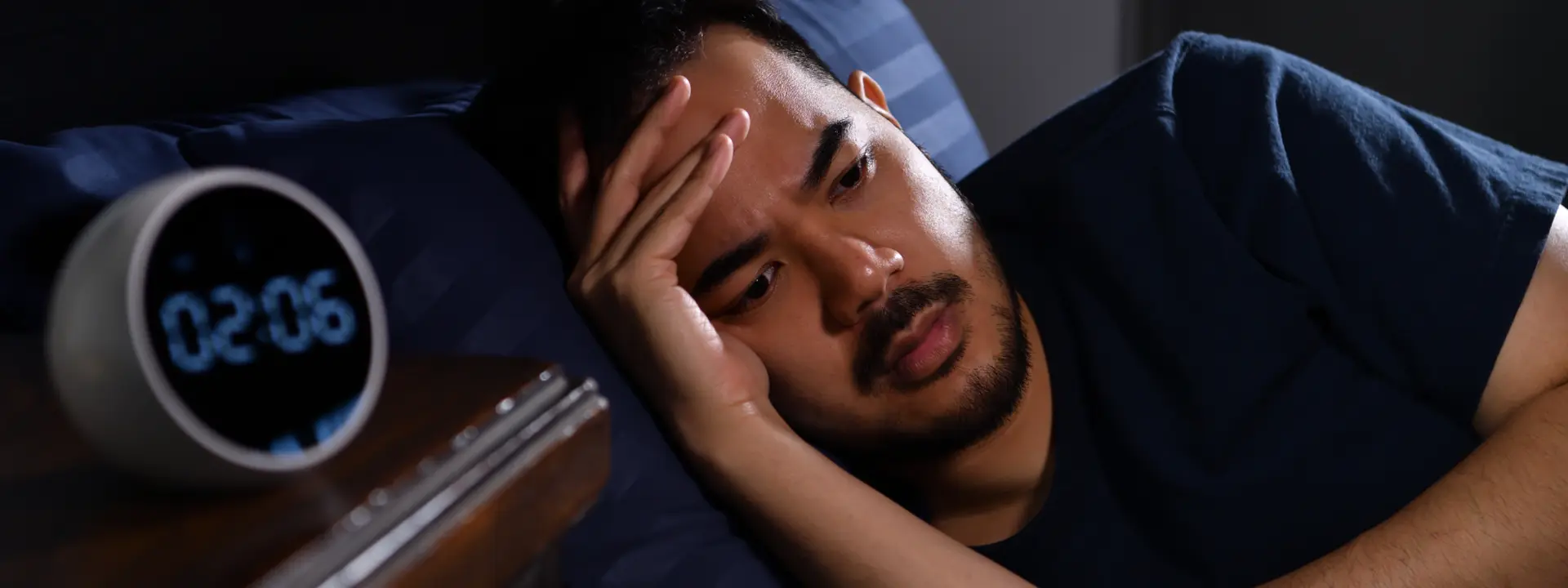
You’re exhausted but still can’t sleep. You lie awake for hours, staring at the ceiling, your mind racing. You finally drift off and then wake up again at 3 a.m.
Millions of people deal with insomnia every single night. And for many, it doesn’t just affect sleep. It affects everything like their mood, relationships, work, and mental health.
You’ve probably tried everything. Sleep hygiene tips. Melatonin. Cutting back on caffeine. Maybe even sleeping pills. But the problem keeps coming back.
So what actually works? For people with serious, ongoing insomnia, residential treatment for insomnia disorder offers something that quick fixes can’t: structured, around-the-clock care that treats the root causes instead of masking the symptoms.
What Is Insomnia Disorder — and Why Is It So Hard to Treat?
Insomnia isn’t just having one bad night’s sleep. Insomnia disorder is a clinical condition. It means you regularly have trouble falling asleep, staying asleep, or waking too early, and it’s affecting your daily life.
To actually be diagnosed with insomnia disorder, these problems need to happen at least three nights a week for at least three months, even when you have time and space to sleep. It’s not about your schedule. It’s about your brain and body not being able to switch off.
What makes it so hard to treat on your own? A few reasons:
- It’s often connected to anxiety, depression, trauma, or substance use.
- The more you worry about not sleeping, the harder it becomes to sleep.
- Over-the-counter remedies only mask the symptoms instead of treating the root cause.
- Sleep patterns become deeply ingrained and hard to break without professional support.
This is where residential care changes the game.
What the Research Says About Insomnia and Mental Health
Insomnia is far more common than most people realize, and also far more serious.
According to the CDC’s National Health Interview Survey (2020), about 14.5% of American adults reported trouble falling asleep most days or every day. Another 17.8% struggled with staying asleep throughout the night. That’s not a small number. It’s tens of millions of people.
But what makes insomnia really dangerous is what it does to your mental health.
A major study published in Sleep Medicine Reviews analyzed data from 181,798 participants across 13 long-term studies. The researchers found that insomnia is not just a sleep problem; it’s a mental health risk factor. People with insomnia had:
- 2.83 times higher odds of developing depression
- 3.23 times higher odds of developing an anxiety disorder
- Increased risk for alcohol abuse and psychosis
This matters because it means insomnia and mental health disorders feed each other. Poor sleep worsens anxiety, and anxiety worsens sleep. Without proper treatment, it becomes a cycle that is very hard to break.
When Is Residential Treatment the Right Step?
Most people start with medication and sleep hygiene coaching. For some people, that’s enough. But for others, it’s not.
You might be ready for residential treatment for insomnia disorder if:
- Your insomnia has lasted for months or years with no real improvement.
- You’re also dealing with depression, anxiety, PTSD, or substance use.
- You’ve tried multiple treatments without lasting results.
- Your sleep issues are affecting your work or relationships.
- You’re becoming dependent on sleep medications to get any rest at all.
Residential care removes you from the environment that may be contributing to your insomnia. You get away from the stress, the same bedroom where you’ve been lying awake for months, and places you in a calm, structured setting where healing can actually begin.
What Happens Inside a Residential Treatment Program for Insomnia
Residential treatment isn’t just about sleep. It’s about understanding everything that’s interfering with your sleep and treating it as a whole.
Here’s what evidence-based residential care typically includes:
Cognitive Behavioral Therapy for Insomnia (CBT-I)
CBT-I is the gold standard for treating insomnia. It’s recommended as the first-line treatment by the American Academy of Sleep Medicine. A 2022 systematic review and GRADE assessment published in the Journal of Clinical Sleep Medicine confirmed that CBT-I consistently outperforms sleep medications for long-term outcomes. It works by changing the thoughts and behaviors that keep insomnia going.
At Alter Behavioral Health San Diego, CBT is woven into daily care. It’s not a once-a-week session. It’s a consistent, daily practice in a supportive environment.
DBT for Emotional Regulation
Many people with insomnia struggle with intense emotions that keep them awake. Dialectical Behavior Therapy (DBT) teaches practical tools for managing those emotions, reducing the nighttime worry and overwhelm that prevent sleep.
Trauma-Informed Care
Trauma is one of the most common hidden drivers of insomnia. Addressing it directly, through therapies like EMDR and Brainspotting, can break patterns that have been disrupting sleep for years.
Medication Management
Where needed, on-site psychiatrists and nurse practitioners can safely manage or adjust medications, helping people reduce dependency on sleep aids while introducing more effective, evidence-based approaches.
Holistic Supports
Yoga, mindfulness, sound baths, art therapy, and nutrition support all help regulate the nervous system. They’re part of what makes residential care effective.
How Co-Occurring Conditions Are Treated Alongside Insomnia
Insomnia rarely shows up alone. In most cases, people also struggle with anxiety, depression, or trauma along with it.
Alter Behavioral Health San Diego specializes in treating insomnia alongside conditions like:
- Substance use disorder — where insomnia and addiction are deeply intertwined
- Depression and anxiety — the most common companions to chronic insomnia
- PTSD and trauma, which often show up as nightmares and sleep disruption
- ADHD, autism, and co-occurring disorders
This integrated approach is what sets residential care apart. Outpatient treatment often addresses one condition at a time, while residential care addresses everything together because that’s how they actually exist in real life.
Our client-centered approach means every treatment plan is built around you. We don’t believe in one-size-fits-all programs for our patients.
What to Look for in a Residential Program for Insomnia
Not every residential program is the same. Here’s what to look for when choosing care:
- Dual diagnosis capability: Can they treat insomnia alongside depression, anxiety, trauma, or addiction?
- Evidence-based therapies: Look for CBT-I, DBT, and trauma-informed approaches.
- 24/7 clinical support: Insomnia crises don’t follow a 9-to-5 schedule.
- Homelike environment: A calm, comfortable setting helps nervous system regulation.
- Family involvement: Sleep disorders affect the whole family. Good programs include them.
- Personalized plans: Generic approaches don’t work for complex, chronic insomnia.
Alter Behavioral Health San Diego checks every one of these boxes. Our crisis stabilization unit (CSU) and residential program are designed for adults whose sleep and mental health needs require more than weekly therapy can offer.
Ready to Actually Sleep Again?
Chronic insomnia is not a character flaw, nor is it laziness. It is a real disorder, and for many people, it’s connected to deeper mental health challenges that need real clinical care.
If you or someone you love has been suffering through sleepless nights for months or years, it may be time to consider getting a higher level of care.
At Alter Behavioral Health San Diego, we offer compassionate, personalized residential treatment for insomnia disorder in a calm, homelike setting, with 24/7 clinical support, evidence-based therapies, and a team that genuinely shows up for you.
Call us today to talk through your options. Help is available around the clock.
Frequently Asked Questions
What is residential treatment for insomnia disorder? It is a live-in program where you receive 24/7 care for insomnia and any underlying conditions driving it, through therapy, medical support, and holistic treatment.
How is residential care different from taking sleep medication? Medication conceals the problem; it does not treat it. Residential care fixes what’s actually causing it, like anxiety, trauma, or depression, so the results last.
Can insomnia be treated alongside other conditions like depression or PTSD?
Yes, and treating them together works far better than treating each one separately.
How long does residential treatment for insomnia usually last? Most stays last 14 to 45 days. Your treatment team will adjust based on your progress.
Does insurance cover residential insomnia treatment?
Many private insurance plans do. We work with most major providers. Contact our admissions team to verify your coverage.
What therapies are used in residential insomnia treatment?
CBT-I, DBT, EMDR, mindfulness, and medication management are core approaches. Holistic supports like yoga and art therapy are also part of the program.
Is residential treatment right for me if I’ve already tried therapy and medication?
If therapy and medication haven’t worked long-term, residential treatment is likely the next step. The 24/7 structure allows for deeper, more consistent care than weekly sessions can provide.