
At Alter Behavioral Health San Diego, we show you how to quiet your mind and stay grounded in the present. Mindfulness and relaxation can ease anxiety and soothe your nerves. These techniques help you handle life with more purpose and ease. If you often feel overwhelmed, find it hard to focus, or get stuck in worry, these proven practices guide you back to a sense of peace.
Mindfulness and relaxation can help with many mental health challenges by building a sense of calm and self-awareness. These practices teach you to notice your thoughts without letting them take over, manage your emotions, and choose how to respond instead of just reacting. As you learn to settle your mind and body, you tap into your own resilience. These techniques work well with other therapies and help you move toward lasting well-being.
Mindfulness and relaxation can help with many mental health conditions, including:
We use mindfulness and relaxation at every stage of treatment:

“I felt lost and overwhelmed, but the team at Alter Behavioral Health San Diego showed up for me 24/7. Their care helped me feel safe, heard, and finally in control again.”

“From the moment I arrived, the calm environment and compassionate staff made a difference. They guided me through the storm and gave my family the updates we needed.”

“I didn’t know where to turn, and fear was consuming me. Alter Behavioral Health San Diego helped me slow down, breathe, and take the next step with confidence and clarity.”
Mindfulness and relaxation work because they’re simple and backed by science. These aren’t abstract ideas; they’re real skills you can learn, practice, and use in your daily life. With time, what starts as a choice becomes second nature, changing how your body handles stress. Our San Diego therapists teach these techniques in group sessions and individual sessions, giving you plenty of ways to build lasting skills.
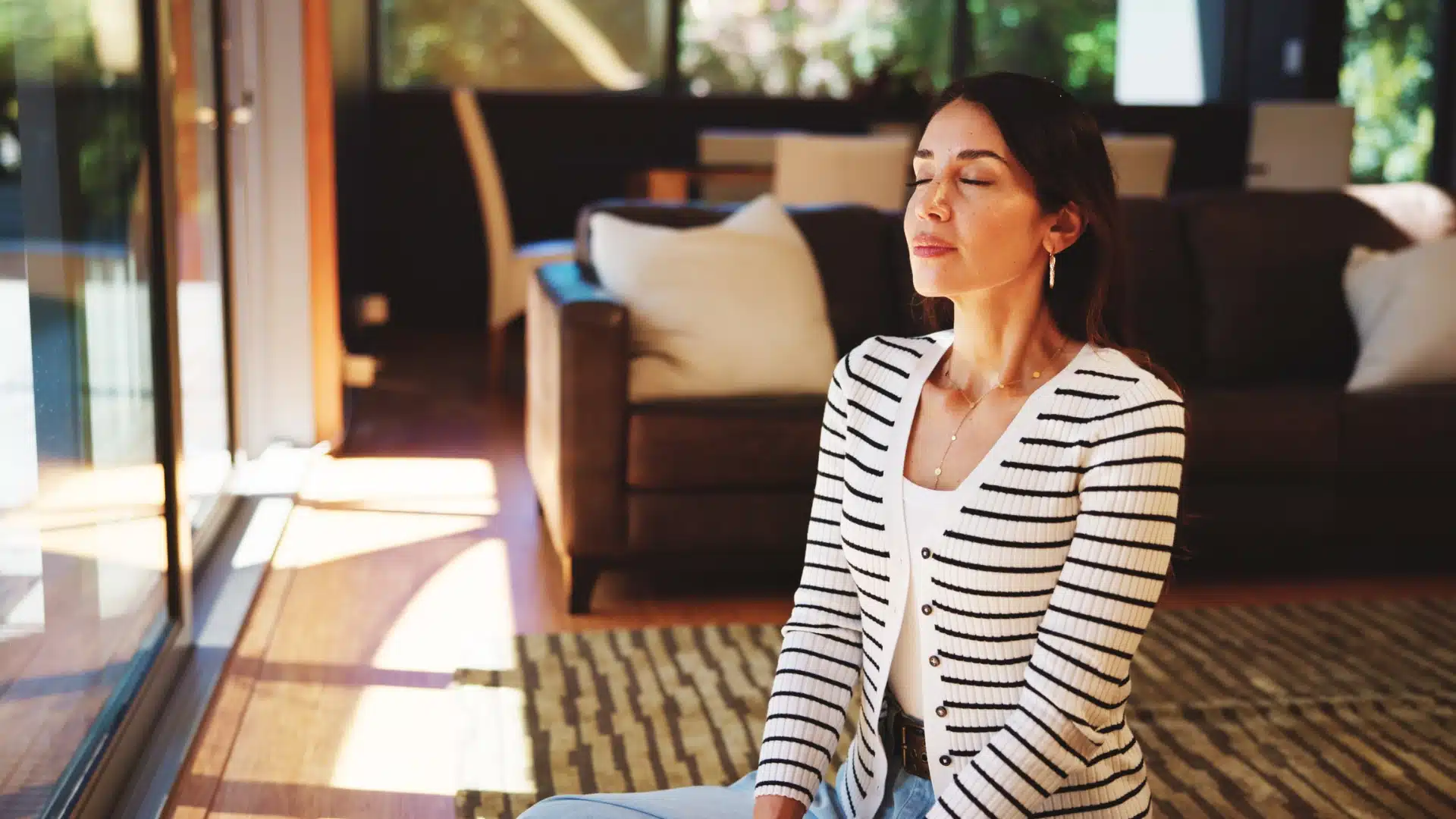
Mindful breathing is simple, but it’s powerful. When you pay close attention to your breath, noticing its rhythm, depth, and how it feels, you help calm your body’s stress response. You can use this technique during moments of anxiety or panic.
If you practice it often, it becomes easier to stay grounded, even when things get tough. You’ll learn breathing patterns that quiet your mind, slow racing thoughts, and help you find calm whenever you need it.
Most of us spend a lot of time in our heads and lose touch with what our bodies are telling us. Body scan meditation helps you reconnect with yourself by slowly moving your attention through each part of your body and noticing sensations without judging them. This practice shows you where you hold tension, stress, or old pain in your body. Even more important, it helps you learn how to let go. Over time, body scans make it easier to spot stress early, before it gets overwhelming.
Loving-kindness meditation means taking time to grow feelings of warmth, compassion, and goodwill. You start with yourself, then slowly send those feelings out to others. This practice is especially helpful if you struggle with self-criticism, shame, or tough relationships. As you keep practicing, you train your brain to be kinder and more caring. This meditation helps you feel more connected, lowers anxiety, and builds emotional strength. It can change how you treat yourself and others in the long run.
Mindfulness means paying attention to the present moment without judging yourself. Relaxation practices are simple ways to calm your body and your nerves on purpose. When you put them together, you become more present, feel calmer inside, and can handle life with more ease. These practices help you change how you relate to your thoughts and feelings.
When you feel anxious or depressed, your mind often worries about the future or gets stuck on the past. Mindfulness brings you back to the present, where you’re really safe. With regular practice, you train your brain to notice when it starts to spiral and gently bring your focus back. Over time, this helps those anxious or negative thoughts show up less often and feel less intense. Mindfulness also enables you to spot your triggers and habits so that you can respond intentionally.
Yes, mindfulness can really help with anxiety. Panic often feeds on fear about what you’re feeling in your body. Mindfulness teaches you to notice those sensations, like a fast heartbeat or shortness of breath, with curiosity instead of fear. When you stop fighting what you feel, the sensations usually fade on their own. In tough moments, simple breathing and grounding exercises can calm you down right away.
Some people feel calmer or clearer after just one session. For others, it takes a few weeks of regular practice to notice real changes. The most important thing is consistency. Practicing every day, even for just ten minutes, helps you make progress faster than doing longer sessions once in a while.
You don’t need to be “good” at meditation. It’s not about clearing your mind completely. Instead, it’s about noticing what’s happening without judging yourself. If your mind wanders a hundred times, that’s totally normal. Each time you catch yourself and gently bring your focus back. There’s no way to fail at mindfulness. Every moment you practice matters.
The goal is to build lasting well-being by teaching your mind and body to stay calm, clear, and present. You’ll get better at spotting stress early and handling it healthily. You’ll also grow more self-compassion and feel more at ease with others. This gives you more freedom and choice in how you live your life.
We teach you mindfulness and relaxation skills that you can use in daily life. Whether you’re new to meditation or already experienced, our caring instructors are here to guide you. Reach out to our admissions team to learn how these simple practices can support your healing journey.